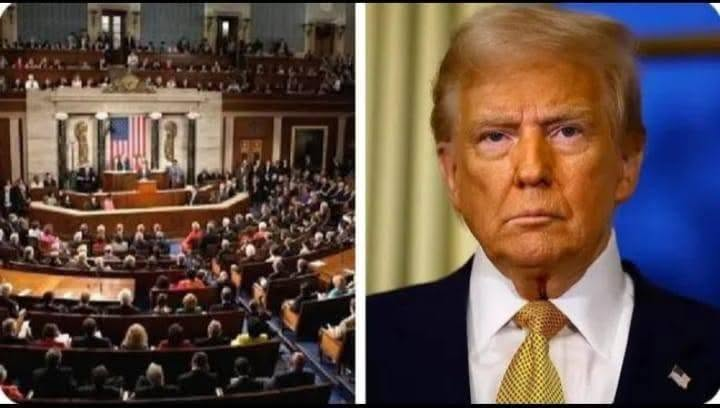
WASHINGTON — The U.S. Senate took a significant procedural step on legislation concerning President Donald Trump’s authority to conduct further military action against Venezuela, voting 52–47 to advance a bipartisan War Powers resolution.
The vote drew attention in Washington because the measure sought to reinforce Congress’s role in authorizing military action and would require additional congressional approval for continued U.S. military operations in Venezuela.
What the 52–47 Vote Means
Although the vote was widely described online as the Senate “blocking” Trump, the 52–47 vote was technically a vote to advance the measure, rather than a final enactment of a ban.
The distinction is important.
A procedural vote allows legislation or a resolution to move forward for further consideration. It does not by itself mean that the president’s military authority has been immediately terminated.
A Debate Over Presidential War Powers
The Senate debate reflected a long-running constitutional question: how much authority should a president have to conduct military operations without a new authorization from Congress?
Supporters of the resolution argued that Congress should have a meaningful role in decisions involving extended military action.
Opponents raised questions about the potential impact of restricting the president’s ability to respond rapidly to developments involving national security.
Venezuela Becomes the Focus
The dispute comes amid heightened attention to U.S. policy toward Venezuela and the potential consequences of military involvement in the region.
The Senate vote therefore became part of a broader debate over presidential authority, congressional oversight, and the limits of the War Powers Resolution.
What Happened Next?
The 52–47 vote did not immediately become a final prohibition on Trump’s military authority.
Further Senate action was required before the measure could become legally effective.
That distinction is especially important when sharing the story online, where headlines describing the vote as an immediate “block” can give readers a misleading impression of what actually happened.
Why the Vote Matters
The vote nevertheless demonstrated that there was substantial Senate support for moving forward with a measure addressing congressional authority over military operations involving Venezuela.
The episode highlights the continuing tension between presidential national-security powers and Congress’s constitutional role in decisions involving war and military force.
Bottom line: The Senate’s 52–47 vote advanced the War Powers measure; it should not be described as a final vote that immediately prohibited President Trump from using military force against Venezuela.